
Perched high in Son La Province amid Vietnam's misty Northwest mountains, the Moc Chau Plateau enchants travelers with sweeping green pastures, ethnic highland villages, and valleys carpeted in seasonal blossoms. Careful preparation before traveling to Moc Chau ensures you arrive during the exact floral or fruit-harvest season you hope to witness while staying comfortable across rapidly shifting mountain weather.
1. Choosing the Best Season for Moc Chau's Blossoms and Harvests
Timing comes first when planning a Moc Chau itinerary because the plateau transforms dramatically from quarter to quarter. You may have admired photographs of snow-white mustard flower valleys, Hmong children playing beneath canopies of pink peach and white plum blossoms, or endless emerald tea hills—yet visiting in an off-bloom transition week might show only leafy green plum orchards and quiet meadows without a single mustard flower in sight. Use this seasonal calendar to match your trip:
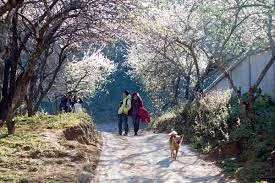
- Around Lunar New Year (late January through February): Delicate pink wild peach blossoms and snow-white plum orchards blanket hillsides and village lanes across every corner of Moc Chau.
- March: White hoa ban (bauhinia) blossoms illuminate Northwest mountain slopes, coinciding with traditional Thai ethnic cultural festivities such as the Het Cha Festival around March 26.
- October through February (peaking in November): Vast fields of white mustard flowers and golden wild sunflowers burst into bloom, accented in November by vivid crimson poinsettias lining rural paths.
- April through August: Although major blossom seasons have concluded, Moc Chau's plateau climate stays refreshingly cool compared with sweltering summer heat in Hanoi, and travelers visiting between April and July can hand-pick ripe plums and highland peaches right inside local orchards.
2. Highway 6 Transport and Must-Visit Moc Chau Attractions
Departing from Hanoi, independent riders and families can travel either by motorbike or by comfortable intercity passenger coach along National Highway 6. Covering nearly 200 kilometers northwest of the capital, the mountain highway unfolds dramatic limestone passes and cloud-filled valleys long before you reach the plateau.
Once you enter Moc Chau District, organize your sightseeing around five signature areas:
- Loong Luong Commune along Highway 6: Scenic Hmong hillside villages bordering the main highway turn into a wonderland of peach and plum blossoms each spring, welcoming visitors to stroll respectfully along quiet village footpaths.
- Moc Chau Farm Town (5–7 km from the district center): Home to the longstanding Moc Chau Tea Company and Moc Chau Dairy Farm, where travelers photograph rolling green tea hills and wide grazing meadows.
- Moc Chau District Town Landmarks: Explore Son Moc Huong Cave (popularly known as Bat Cave), tranquil Ban Ang Pine Forest, tropical orchid gardens, sweet strawberry farms, and multi-tiered Dai Yem Waterfall.
- Tan Lap Tea Hills and Ngu Dong Ban On: Ask locals in Moc Chau Farm Town for directions toward Tan Lap to admire the iconic heart-shaped tea plantations, the five limestone caves of Ngu Dong Ban On, and sweeping valleys of white mustard blossoms, wildflowers, red poinsettias, and plum orchards—often praised as the green pearl of the Northwest. Drive slowly and attentively along the 16-kilometer approach road, which includes several rough, uneven stretches.
- Ba Phach Mustard Flower Valley: Tens of hectares of white mustard blossoms create a floral paradise in Ba Phach. Located off National Highway 6 near Quan 70—about 5 kilometers from the town junction—watch for the Moc Chau Tea Company signboard as you head toward Moc Chau and turn onto the small lane directly opposite, greeting welcoming Thai and Hmong villagers along the way.
Moc Chau's highland charm cannot be captured through photographs alone; much like trekking karst trails and caves in Phong Nha or contrasting highland air with tropical island travel experiences in Phu Quoc, it rewards travelers who slow down and engage all their senses.
3. Essential Packing Checklist for Moc Chau's Four-Season Days
Because Moc Chau sits above 1,000 meters in elevation, visitors famously experience four seasons within a single day: even in August, warm midday sunshine gives way to crisp autumn breezes by late afternoon and chilly nights requiring warm jackets outdoors and cozy cotton blankets indoors.
- Layered clothing: Pack breathable, lightweight outfits for daytime walking alongside warm sweaters or heavy winter coats depending on the month.
- Footwear: Warm, supportive athletic sneakers or grippy hiking boots are top priority for hilly trails and uneven orchard paths.
- Medical kit and camping gear: Carry insect repellent, digestive medicine, cold remedies, medical tape, and sterile gauze, plus tents and personal toiletries if camping outdoors.
- Cash and camera power: Bring sufficient cash beyond transport and hotel fees for buying local tea and dairy specialties, and pack a quality camera or smartphone with spare memory cards and fully charged backup batteries so you never miss a highland panorama.
Sturdy walking footwear and layered windbreakers serve travelers equally well on shorter pine-forest getaways at Soc Son forest ecotourism zones near Hanoi. Before setting off along National Highway 6, browse additional packing checklists and seasonal field advice in our practical ecotourism travel notes archive.