
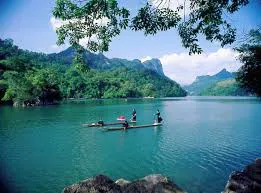
Tucked deep within the forested limestone highlands of northeastern Vietnam, Ba Be National Park stands as an extraordinary sanctuary of dramatic karst scenery and rich freshwater biodiversity. Officially recognized in 2004 as an ASEAN Heritage Park, this protected mountain basin centers on a vast natural alpine lake fed by clear forest rivers. Embarking on a Ba Be Lake ecotourism journey allows travelers to explore mysterious river-carved limestone caves and glide peacefully across mirror-calm emerald waters aboard traditional dugout canoes, leaving urban fatigue and everyday stress far behind.
Best Season and Ideal Itinerary Length for Ba Be Lake
Because the Ba Be conservation zone unites towering limestone mountains, dense evergreen rainforests, and winding river valleys, the local microclimate remains refreshingly cool and mild throughout all four seasons. Nature lovers can visit at virtually any time of year, whether admiring spring mist drifting across the water or crisp autumn foliage along the ridges. According to seasoned highland trekkers, however, summer is the most rewarding time to visit, as the elevated lake basin offers a cool green refuge from the intense heat of the northern plains.
An ideal itinerary lasts approximately three days, giving visitors ample unhurried time to tour all major landmarks around the lake—including Puong Cave, Dau Dang Waterfall, An Ma Islet, and lakeside Tay stilt villages—just as thoughtful pacing enriches birdwatching excursions to Stork Island in Hai Duong. Reviewing essential ecotourism planning notes and field tips before departure helps travelers pack lightweight rain gear, sturdy walking shoes, and insect protection suited to forest trails.
Getting to Bac Kan: Highway 3 Driving Routes and Coaches
Travelers driving a private car or touring motorbike from Hanoi should head north along National Highway 3, passing through Thai Nguyen Province before ascending into Bac Kan Province. Mountain roads approaching the national park feature winding curves and steep gradients, so drivers should strictly observe lane markings and local speed regulations to prevent collisions and avoid traffic police fines.
For visitors who prefer not to drive mountain highways themselves, boarding an intercity passenger coach from Hanoi's northern bus terminals is the most convenient and economical way to reach Bac Kan. Once in Bac Kan City, clear road signs and helpful locals point travelers onward toward the Ba Be Lake tourism center, where shuttle vans and local transfers connect directly to lakeside villages.
Finding Comfortable Guesthouses and Saving on Accommodation
Compared with larger coastal destinations such as those highlighted when planning an island nature trip to Quan Lan or exploring coastal ecotourism experiences at Hai Tien Beach, commercial hotels and motels in Bac Kan remain relatively modest in number. Reserving a lakeside guesthouse or traditional Tay family homestay in Pac Ngoi or Bo Lu village well ahead of arrival ensures peace of mind, particularly during busy summer weekends. Booking rooms online in advance frequently unlocks early-bird discounts, helping budget-conscious explorers trim accommodation expenses while enjoying warm highland hospitality and home-cooked lake fish specialties.