
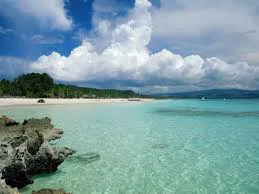
Quan Lan Island is one of the most cherished coastal retreats in Quang Ninh Province, offering cool ocean breezes where oppressive summer heat quickly fades away. Nestled within the outer arc of Bai Tu Long Bay, this emerald island greets visitors with endless ribbons of powdery white sand, crystal-clear waters, and the crisp scent of sea salt far removed from urban noise. Planning a smooth Quan Lan Island travel itinerary comes down to choosing the right speedboat terminal, comparing the island's three main lodging zones, and budgeting wisely for on-island transport. Travelers who enjoy comparing northern island trips with central-north coastal getaways can also read our practical guide to Hai Tien Beach sea travel experiences before setting out.
Reaching Quan Lan Island Across Bai Tu Long Bay
To keep the journey comfortable and leave plenty of time for coastal exploration, travelers can board a high-speed passenger boat from either Cai Rong Port in Van Don District or Hon Gai Passenger Terminal in Bach Dang Ward, Ha Long City. After roughly ninety minutes cruising past dramatic limestone karsts across Bai Tu Long Bay, the speedboat docks directly at the scenic piers of Quan Lan Island. For additional packing checklists and seasonal weather reminders across Vietnam's nature reserves, browse our essential ecotourism planning notes and tips prior to departure.
Comparing the Three Main Accommodation and Beach Zones
Understanding the geography of Quan Lan Island is essential before booking a room, as accommodation clusters are spread across three distinct areas connected by a thirteen-kilometer island road.
1. Quan Lan Commune Center
Situated slightly more than one kilometer inland from Quan Lan Port, the commune center serves as the administrative and market hub of the island and features numerous family-run guesthouses. Standard fan-cooled rooms average around 400,000 VND per night, while air-conditioned rooms typically range from 650,000 VND to 750,000 VND per night. During peak sunny summer months, air-conditioned rooms remain the preferred option for families and groups.
Although room rates in Quan Lan Commune Center appear economical at check-in, total trip expenses can climb higher than expected once daily island transport is factored in:
- No visit to Quan Lan is complete without swimming at Son Hao Beach and Minh Chau Beach, including the scenic Eo Gio headland, yet Son Hao lies roughly 7 kilometers from the town center and Minh Chau sits nearly 13 kilometers away, requiring rented tuk-tuks or electric shuttles for every round trip.
- Travelers staying in the commune center must hire local transport whenever they wish to swim in open turquoise surf and return to rinse off at their guesthouse.
- The local shoreline closest to Quan Lan town center is relatively narrow and compact, offering far fewer beachside amenities than the northern bays.
2. Minh Chau Beach Zone
Minh Chau Beach—whose name translates literally as "Bright Pearl"—is widely regarded as the most idyllic swimming bay on the island thanks to its velvety white silica sand, calm turquoise water, and gentle ripples. Just behind the unspoiled shoreline stands an ancient coastal cajuput forest (rung tram) revered for generations by local fishing and woodworking villagers as a living green windbreak protecting the community. Well-organized beachfront seafood restaurants, shaded refreshment stalls, and wide sandy expanses make Minh Chau an ideal setting for outdoor team-building games.
Near Minh Chau Beach, budget mini-hotels and clean guesthouses offer rooms starting around 500,000 VND on weekdays and 700,000 VND on weekends, while upscale properties such as Minh Chau Pearl Resort start from 1,200,000 VND per room upward. Because fresh produce and groceries must be ferried from the mainland and dining services operate largely to order, visitors should reserve meals with their restaurant or homestay in advance rather than relying on last-minute walk-ins or instant noodles. At family guesthouses, hosts happily prepare hearty hot breakfasts for approximately 30,000 VND per guest. Similar island logistics apply in southern archipelagos, as detailed in our practical preparation guide for Phu Quoc Island.
3. Son Hao Beach and Van Hai Do Ecotourism Zone
Stretching along the central-east coast about 7 kilometers north of Quan Lan town center, Son Hao Beach is the longest continuous sandy shoreline on the island. Managed within the Van Hai Do Ecotourism Zone operated by Viglacera Van Hai Company, this lively coastal strip combines broad ocean views with convenient recreational services. Near the Coast Guard guesthouse sector, swimmers can enjoy clean surf throughout the day, and most sea-facing rooms sit close enough to the tideline for guests to hear rhythmic waves and watch both sunrise and sunset right from their doorway. Early mornings and cool evenings invite leisurely barefoot walks to gather seashells along the wet sand.
Notably, Van Hai Do Resort stands out on the island for providing continuous 24-hour electricity backup across three distinct room categories: traditional stilt houses, garden villas, and beachfront garden bungalows. Directly across the coastal road sits Hung Lam Resort (Van Hai Xanh), nestled against forested mountain slopes overlooking the bay, though without direct beachfront sand of its own. Visitors comparing organized coastal eco-zones on the mainland can also explore the coastal pine and beach facilities at Hai Tien Ecotourism Zone. By matching your lodging zone to your daily swimming plans and pre-arranging meals, every day on Quan Lan Island becomes both cost-effective and deeply restorative.