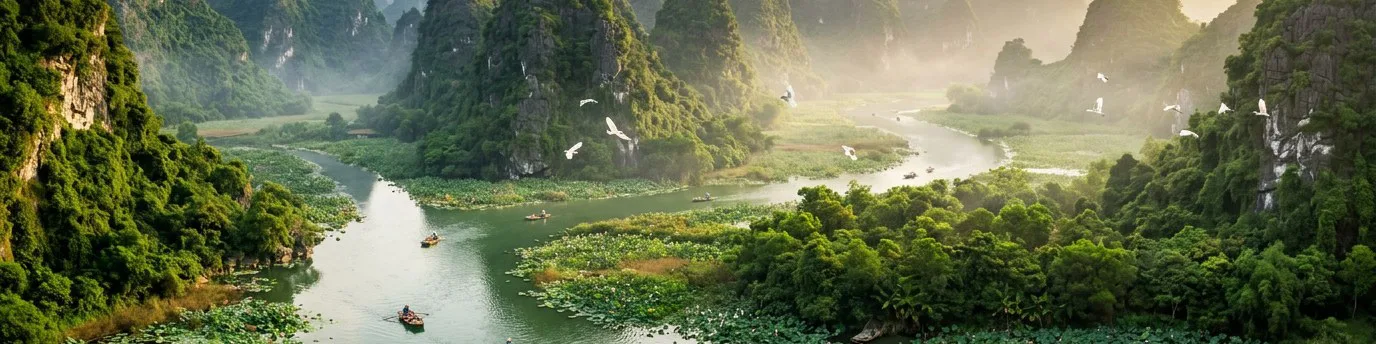
Welcome to Vietnam Ecotourism & Nature Reserves Travel Guide (eco-tourism-vii.tk), an independent editorial archive created for nature lovers, overland trekkers, wildlife observers, and culturally curious travelers exploring Vietnam's protected landscapes. As a dedicated Vietnam ecotourism travel guide, our publication documents national parks, UNESCO World Biosphere Reserves, coastal bays, bird sanctuaries, highland waterfalls, and Mekong wetland ecosystems from the northern border mountains to the southern archipelagos.
Our Editorial Mission and Regional Coverage
Vietnam shelters an extraordinary diversity of ecosystems packed along an S-shaped coastline and forested mountain spine: flooded limestone karsts, ancient primary rainforests, alpine freshwater lakes, geothermal mineral springs, coral-fringed marine parks, and tidal mangrove forests. Yet accurate, field-oriented English travel information for smaller reserves, village piers, and rural conservation zones can often be fragmented or difficult to decipher.
Our editorial mission is to bridge that gap with clear, reliable destination profiles organized by geography and trip preparation. Readers researching Northern Vietnam nature reserves and karst sanctuaries will find detailed overland routes, ferry schedules, cave descriptions, and ethnic stilt-house homestay insights spanning Cat Ba Island, Ba Be National Park, Cuc Phuong, and Red River Delta stork islands. Moving southward, our regional archives highlight Central Vietnam's sheltered bays, hot springs, and marine turtle islands alongside Southern Vietnam's highland cascades, riverine orchards, and wetland biospheres.
Responsible Exploration and Practical Field Standards
Meaningful ecotourism depends on preparation, respect for local communities, and minimal ecological disturbance. Throughout our archive of practical ecotourism planning and trail etiquette guides, every article emphasizes responsible travel habits that protect fragile habitats while supporting rural livelihoods:
- Accurate route and transfer details: We preserve verified distances, highway junctions, local pier names, boat charter timings, and seasonal booking advice so independent travelers can plan realistic itineraries.
- Wildlife and habitat stewardship: We encourage quiet observation methods—such as choosing hand-rowed wooden boats in bird sanctuaries, keeping respectful distances from wild primates, staying on marked forest trails, and carrying all non-biodegradable waste out of national parks.
- Community-centered cultural respect: We highlight locally run homestays, village guides, traditional crafts, and transparent pricing practices that channel visitor spending directly to highland and coastal families.
Start Planning Your Nature Journey
Whether you are mapping out a weekend bird-watching boat trip from Hanoi, cycling into a secluded biosphere valley, or trekking up a misty highland waterfall trail, our editorial team curates every guide on eco-tourism-vii.tk to help you travel thoughtfully, safely, and in lasting harmony with Vietnam's natural heritage.