
Phu Quoc is Vietnam's largest island, celebrated across the Gulf of Thailand for its emerald primary forests, powdery beaches, and unhurried fishing settlements. Yet every traveler discovers the island differently depending on how they move across its coastline and forested interior. If you enjoy independent motorbike road-tripping and are planning your first Phu Quoc Island travel adventure, organizing your routes, town bases, and dining stops ahead of time will help you experience the island smoothly from north to south. Readers comparing island preparation across Vietnam can also browse our practical ecotourism planning and travel tips before setting off.
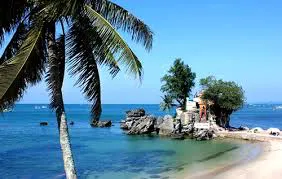
1. Essential Weather and Road Preparation on Phu Quoc
Many coastal and cross-island roads on Phu Quoc pass through open stretches with sparse roadside shade and intense tropical sunshine. If you plan to explore the island by rented motorbike, pack a wide-brimmed sun hat, breathable long-sleeved shirts, UV-protective sunglasses, and lightweight trousers to shield your skin from direct midday glare. Travelers visiting during the rainy monsoon months should monitor marine weather forecasts closely so they can time ferry crossings and coastal rides during calm, storm-free windows, much like planning boat transfers through seasonal island travel on Quan Lan Island in Quang Ninh.
One reassuring advantage of exploring Phu Quoc by motorbike is exceptional vehicle security. Because the island sits well offshore from the mainland, motorbike theft is virtually nonexistent, as stolen vehicles cannot easily be hidden or ferried away. Even so, keeping a helmet strap secured, checking tire pressure before riding unpaved forest tracks, and carrying sufficient drinking water will keep daily excursions comfortable.
2. Where to Stay: Comparing Phu Quoc Regions and Duong Dong Hotels
Experienced visitors typically divide Phu Quoc into five geographic zones when choosing accommodation: the South Island around An Thoi Port, where fewer hotels operate and evening commutes to town take longer; the forested North Island; the quiet Northeast coast; the East Island around Ham Ninh Ancient Fishing Village; and the West Island centered on Duong Dong Town. Duong Dong serves as the commercial and hospitality heart of Phu Quoc, offering the densest concentration of guesthouses, resorts, markets, and transport services. Seasoned travelers generally recommend basing yourself in Duong Dong Town, or splitting a longer stay between Duong Dong and An Thoi.
Within Duong Dong, travelers seeking comfortable beachfront convenience near the town center often choose Huong Bien Hotel at 01 Vo Thi Sau Street, Duong Dong Town, Phu Quoc District, which overlooks the sea within easy reach of central streets. Budget-conscious independent travelers frequently recommend My Linh Hotel at 9 Nguyen Trai Street, Quarter 2, Duong Dong Town, prized for its central walkable location. Staying right in downtown Duong Dong lets you stroll effortlessly in the evening to Dinh Cau Rock Temple, Dinh Cau Night Market, and the public town beach. By contrast, properties situated farther south along Tran Hung Dao or quiet coastal stretches—such as Thien Hai Son Resort, Kim Hoa Resort, and neighboring beachfront lodges—offer peaceful surroundings by day, though guests will need a motorbike or taxi to reach central Duong Dong after dark.
Travelers looking for affordable guesthouses close to evening dining and lively neighborhood streets can inspect rental rooms along Nguyen Trung Truc Street, Bach Dang Street, and 30/4 Street. Depending on your budget and preferred comfort tier, Phu Quoc provides well-established options across every category:
- Four-star resorts: Saigon Phu Quoc Resort, Chen Sea (Chenla) Resort, La Veranda Resort, and Eden Resort.
- Three-star hotels and resorts: Huong Bien Hotel and Thien Hai Son Resort.
- Two-star resorts and coastal lodges: Bien Dong (Ocean East) Resort, Kim Hoa Resort, Ngan Sao (Thousand Stars) Resort, Sea Star Resort, and Phu Quoc Charm.
- Budget town hotels and guesthouses: Bien Xanh (Blue Sea), Phuong Dong (Oriental), Thang Long, Anh Tuan, and Tan Duy Tuong.
3. Authentic Phu Quoc Specialties to Bring Home as Gifts
Phu Quoc's fertile red-soil hills, melaleuca woodlands, and rich fishing grounds yield distinctive regional gifts that travel well when packed carefully. At Duong Dong Market and reputable island producers, visitors commonly pick up sun-dried squid and dried shrimp, wild rose myrtle (sim) berry specialties, and traditional anchovy fish sauce aged in wooden barrels (note airline carry-on restrictions and arrange mainland shipping when buying bottled fish sauce). Seasonal forest and coastal harvests also include savory wild melaleuca (tram) mushrooms, dried coastal pandanus fruit (dua bien), and dried mo qua forest epiphytes traditionally steeped in local botanical infusions. Above all, Phu Quoc peppercorns remain a favorite culinary souvenir, available as pungent black pepper, husked white peppercorn hearts, aromatic ripe red pepper, and toasted peppercorn-lime dipping salt.
4. Local Cafes, Night Markets, and Signature Seafood Dishes
Knowing which streets locals frequent makes every meal on Phu Quoc memorable without overspending. For morning or late-afternoon Vietnamese coffee, head to Cafe Tuong on Bach Dang Street directly opposite the Duong Dong passenger pier, relax by the waves at Cafe Sao Mai along Tran Hung Dao Street, or sip iced coffee amid driftwood sculptures and island history exhibits at the Coi Nguon Museum Cafe.
When dinner rolls around, Dinh Cau Night Market stands out as the island's liveliest open-air seafood hub, welcoming tour groups, families, and solo backpackers alike. Rows of tanks display live reef fish, squid, sea snails, and flower crabs grilled to order alongside souvenir stalls selling pearls and pepper. Travelers craving bubbling hotpot dinners gravitate toward 30/4 Street, where Quan Mum and Bay Ong Restaurant—tucked right beside Zen Restaurant—serve hearty local hotpots.
For casual evening snacks and late-night bites around Duong Dong, follow this local food trail:
- Thick rice noodle soup (banh canh): Served at busy evening stalls along 30/4 Street near Dinh Than Duong Dong communal temple.
- Savory island vermicelli (bun): Found along 30/4 Street directly opposite Zen Restaurant.
- Sweet dessert soups (che): Ladled out warm or over crushed ice near the main Tran Hung Dao Street intersection.
- Freshly baked buns and milk bread: Sold near the Nguyen Trung Truc and Bach Dang bridge—ask locals for Co Si Bakery, a beloved neighborhood institution, then walk to the Hung Vuong and Nguyen Trung Truc intersection for cut tropical fruit.
- Full-service dining streets: Known across the island as Phu Quoc's culinary boulevard, 30/4 Street hosts popular restaurants including Zen, Trung Duong Marina, Song Xanh (Green River), and Sang Tuoi, while Hung Vuong Street features atmospheric Vietnamese dining at Rococo.
No culinary checklist on the island is complete without tasting raw herring salad (goi ca trich)—delicate fillets tossed with freshly grated coconut, wrapped in rice paper with wild coastal herbs, and dipped into rich roasted-peanut fish sauce. Other unmissable plates include chili-salt grilled squid, pen shell scallop medallions (coi bien mai) grilled with chili salt or fermented bean curd, fan scallops (so quat) sizzling with scallion oil, boiled jumping sea snails (oc nhay) dipped in lime-pepper salt, sweet steamed flower crabs in Ham Ninh, and charcoal-grilled fish with fresh salads down on Khem Beach.
5. Four Directional Motorbike Loops Around Phu Quoc
Exploring independently by scooter allows you to linger at scenic viewpoints and combine nearby landmarks efficiently. Across the island, essential stops include Ham Ninh Ancient Fishing Village, Bai Dai (Long Beach), Bai Sao (Sao Beach), Bai Khem (Khem Beach), Suoi Tranh and Suoi Da Ban forest streams, the Khu Tuong pepper plantations, Nguyen Trung Truc Temple, the Phu Quoc Prison Historical Site, Ganh Dau Cape, traditional wooden-vat fish sauce houses, and pearl cultivation farms. Seasoned riders group these sights into four convenient half-day or full-day loops:
- East Island Route: Ride east toward Ham Ninh Ancient Fishing Village, pausing midway at shaded Suoi Tranh waterfall stream for a short forest walk. After exploring Ham Ninh's stilt houses and photographing its long wooden pier stretching into shallow sea grass flats, tour a traditional fish sauce barrel facility on the return leg before catching the glowing west-coast sunset.
- Duong Dong and Central Highland Streams: Along the inland road heading north from town lie Duong Dong Lake and the broad flat granite boulders of Da Ban Stream (Suoi Da Ban). Pair a morning freshwater hike here with town highlights including fish sauce workshops, Sung Hung Co Tu Pagoda, bustling Duong Dong Market, Dinh Cau Night Market, and daytime swimming along Duong Dong's sandy western beaches before dusk.
- North Island Wilderness Loop: Venture north in the morning, as the winding road through primary evergreen woodland between the east coast and northern cape is the longest and most rugged route on the island. Along the way, stop at the fragrant Khu Tuong pepper gardens, trek beneath towering dipterocarp trees in Phu Quoc National Park, pay respects at Nguyen Trung Truc Temple, and gaze across the narrow strait toward Cambodian islands from breezy Ganh Dau Cape, with an optional detour northeast to tranquil Bai Thom.
- South Island Heritage and Beaches: Dedicate an afternoon after your northern loop to riding south toward An Thoi Port and the Phu Quoc Prison Historical Site. Cool off afterward with a swim in the calm turquoise waters of crescent-shaped Bai Sao—one of Phu Quoc's finest white-sand beaches—and visit a marine pearl showroom to watch technicians graft and harvest lustrous South Sea pearls.
Combining North Island forest trails with South Island coral bays gives independent riders a complete ecological portrait of Vietnam's far south. Travelers who enjoy Phu Quoc National Park's primary canopy often compare its shaded trails with old-growth rainforest trekking in Cuc Phuong, while birdwatchers captivated by coastal egrets and sea eagles frequently add wetland birding at Stork Island in Hai Duong to their wider Vietnam nature itinerary.